
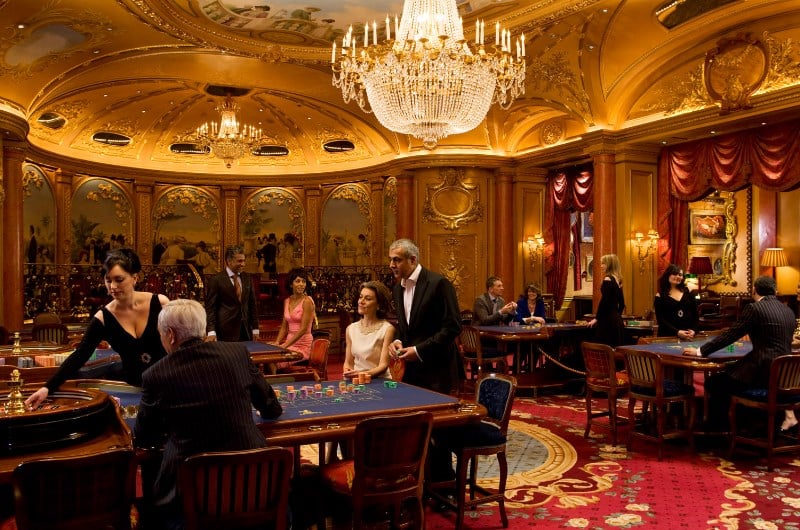
Casinos have long been more than mere venues for betting and gaming; they are cultural landmarks, architectural marvels, and social hubs that encapsulate the human fascination with risk, luck, and fortune. From their humble origins in royal European courts and rustic gambling halls, casinos have evolved into extravagant resorts and high-tech online platforms, captivating millions worldwide. This article journeys through the history, cultural significance, and transformative evolution of casinos, revealing the allure that keeps them at the heart of entertainment and social excitement.
The Birth of Casinos: From Italian “Little Houses” to Global Icons
The term “casino” originates from the Italian word casa, meaning house, with “casino” translating to “little house.” The earliest semblance of a casino appeared in 17th-century Italy during the Venetian carnival season. The Casino di Venezia, established in 1638, remains the oldest operating casino in the world. Initially, casinos were leisure spaces attached to theaters—small venues where visitors could enjoy gambling as a break from performances.
This Italian innovation sparked a cultural wave that saw gambling houses emerge throughout Europe, particularly in France, where roulette, baccarat, and other classic casino games blossomed. These establishments were exclusive, often tied to aristocracy, yet their popularity hinted at a broader societal appetite for games of chance.
Casinos in American History: Saloon Culture and the Rise of Gambling Hubs
In the United States, early gambling establishments took the form of saloons, particularly in frontier cities such as New Orleans, St. Louis, Chicago, and San Francisco during the 19th century. These saloons served as lively gathering places where locals and travelers mingled, indulging in card games, dice, and wagers.
However, the early 20th century brought legal crackdowns on gambling, pushing much of the industry underground. Legalization dawned anew in Nevada in 1931, amid the Great Depression, as a measure to stimulate economic growth. This legalization gave birth to Las Vegas, a city that would come to symbolize casino culture worldwide. Atlantic City followed in 1976, becoming another major gambling destination on the East Coast.
The Evolution of Casino Gaming: From Mechanical Marvels to Digital Innovation
The history of casino games is a testament to human ingenuity and the relentless quest for excitement. The first slot machine, the Liberty Bell, was invented by Charles Fey in 1895 and became an instant sensation in American saloons. This invention laid the foundation for the multibillion-dollar slot industry and was pivotal in popularizing casinos for everyday people.
Table games like Blackjack, Roulette, and Craps also evolved through centuries, adapting in rules and form. The 20th century brought sophistication with electronic gaming machines, computer-generated outcomes, and live dealer experiences.
The digital age marked a revolutionary phase. Online casinos emerged in the 1990s, breaking geographic barriers and inviting players to experience gambling from the comfort of their homes. Advancements such as live-streamed casino tables, mobile gaming apps, and Virtual Reality (VR) have transformed the casino landscape into immersive and interactive domains.
The Social and Cultural Impact of Casinos
Casinos are often perceived as glittering dens of chance and fortune, but their role in society extends well beyond that. Historically, they have served as social equalizers where individuals from diverse walks of life come together in shared pursuit of thrill and reward.
-
Social Spaces: Casinos foster community and camaraderie, offering patrons opportunities to engage in games, entertainment, and nightlife in vibrant settings.
-
Economic Engines: Legendary casino cities generate billions in revenue, supporting jobs, tourism, and infrastructure development, often revitalizing entire regions.
-
Cultural Icons: Casinos have influenced popular culture—from films and literature to fashion and music—becoming symbols of glamour and risk-taking.
The Psychology of Casinos: Why People Are Drawn to Gambling
Understanding the magnetic appeal of casinos requires exploring the psychology behind gambling. The mix of anticipation, risk, and reward triggers dopamine responses in the brain, producing feelings of excitement similar to other pleasurable activities.
Casinos are expertly designed environments, often employing ambient sounds, lighting, and layout to maximize engagement and comfort. The unpredictability of games creates a “near-miss” effect, making players believe they are always “close” to winning, which drives longer participation.
Modern Casino Experiences: Luxury and Technology
Today’s casinos are extravagant resorts that fuse gaming with world-class entertainment, dining, and hospitality. Mega-resorts in Las Vegas, Macau, and Monte Carlo redefine luxury, combining architectural grandeur with opulent amenities such as spas, theatres, and Michelin-starred restaurants.
Simultaneously, tech innovations continue to democratize access to casino games. Mobile apps, AI-powered game design, and cryptocurrencies have made gambling more accessible, secure, and customizable than ever before.
Responsible Gaming and the Future of Casinos
As casinos evolve, so does the responsibility toward promoting safe and ethical gambling practices. Operators invest heavily in responsible gaming tools such as self-exclusion programs, deposit limits, and behavioral analytics to support informed player choices.
Looking ahead, technologies like augmented reality (AR) and blockchain could further revolutionize casinos by enhancing transparency, fairness, and immersive social interactions.
Conclusion: The Timeless Allure of Casinos
Casinos encapsulate the human desire for excitement, challenge, and social connection. From cozy Venetian “little houses” to sprawling global resorts and cutting-edge digital platforms, they represent an evolving tapestry of culture, technology, and human psychology.
Their enduring popularity springs from the unique intersection of chance and choice, risk and reward, spectacle and intimacy. As casinos continue to innovate and expand, they will remain vibrant arenas where fortune favors the bold, and every roll, deal, or spin is imbued with the thrill of possibility.
