
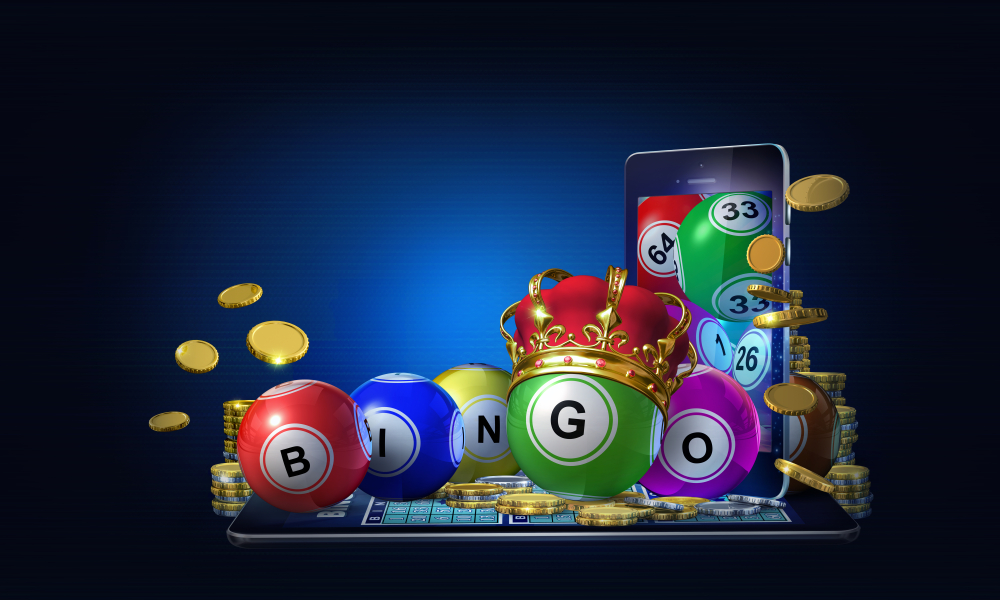
Bingo is much more than numbers and shouting matches in crowded halls. For centuries, it has walked the line between entertainment, tradition, and social bonding. To some, it is a lighthearted leisure activity; to others, a cultural gathering point with deep-rooted significance. The remarkable thing about Bingo lies not in the simplicity of its rules but in its ability to bring together people across generations, backgrounds, and lifestyles.
The Origins of Bingo
The story of Bingo stretches far back in history. It began in 16th-century Italy as part of a state lottery system and gradually spread across Europe, morphing into different forms. By the 18th century, it was popular in France among both the aristocracy and common folk, before eventually reaching the United States in the early 20th century.
In America, the game was first called “Beano,” where beans were used to cover numbers on cards. The name “Bingo” was born by accident—when a player, in a moment of excitement, exclaimed “Bingo!” instead of “Beano.” This small mistake gave the game its now-iconic identity, and its journey from fairs and carnivals to organized halls and community centers had truly begun.
Why Bingo Endures
Bingo’s longevity cannot be explained by luck alone. Several qualities make it universally appealing:
-
Simplicity: No elaborate rules or complicated strategies are needed. Anyone can join in after just a minute’s explanation.
-
Excitement in Waiting: The anticipation of waiting for that one number creates suspense unlike any other.
-
Inclusivity: From young adults to seniors, everyone plays on equal footing. Success depends solely on chance.
-
Social Dimension: At its heart, Bingo is not about the card—it’s about the crowd. The shared cheers, laughter, and chatter amplify the joy and disappointment alike, turning it into a collective experience.
Bingo is therefore not just a numbers game; it is a mirror of human interaction, joy, and hope.
Different Versions Across the Globe
The beauty of Bingo lies in how cultures have adapted it to suit their own rhythms:
-
75-Ball Bingo – The American standard, played on a 5×5 grid where patterns like rows, shapes, or diagonals determine victory.
-
90-Ball Bingo – A British favorite, where players strive not only for a full house but also for single-line and double-line wins.
-
30-Ball or “Speed Bingo” – Popular in digital arenas, this rapid-fire variation delivers thrills to those looking for shorter, energetic sessions.
-
Theme-Based Bingo – From holiday specials to movie-inspired versions, thematic spins on the game add novelty and keep it fresh.
This adaptability demonstrates Bingo’s resilience as a game that evolves while keeping its essence intact.
Bingo as a Social Fabric
Perhaps the greatest gift Bingo offers is its power to foster connection. Community halls, church fundraisers, and local events have long used Bingo nights as an excuse to gather people together. The laughter over missed numbers, the proud calls of winners, and the general camaraderie form bonds that extend beyond the game.
-
For Charities: Bingo has been a powerful tool for fundraising efforts, supporting schools, hospitals, and social causes.
-
For Families: Generations can sit at the same table, playing by the same rules, sharing stories between rounds.
-
For Friends: Bingo serves as an excellent backdrop for light-hearted socializing, one where competition is friendly and participation is more important than the win.
This is why Bingo is more than entertainment; it becomes a fabric of cultural and familial ties.
The Digital Transformation
The advent of online gaming introduced Bingo to a fresh audience. Today’s Bingo platforms boast polished interfaces, colorful graphics, and themed rooms that resonate with younger demographics. Features like live chat have carried over the spirit of social interaction, proving that technology can replicate—if not enhance—the lively atmosphere of a Bingo hall.
While some feared digital Bingo might diminish in-person gatherings, it has instead worked in harmony with tradition. Online access offers flexibility, while physical venues provide the familiar buzz of human presence. Together, they ensure Bingo thrives in both dimensions.
The Psychology of Play
Why does Bingo hold such psychological power over its players? The answer lies in human chemistry and emotion. Each new number called evokes anticipation, activating the brain’s reward system. The near-misses heighten tension, while the satisfaction of completing a card creates a burst of joy.
Just as importantly, the social fabric of Bingo fulfills an emotional need for companionship. Humans crave belonging and shared experiences. In Bingo, strangers laugh together, cheer for one another, and depart with smiles—sometimes even friendships. It blends personal thrill with communal celebration, a combination few games achieve.
In Popular Imagination
Bingo has etched itself into cultural consciousness. Its name alone has become shorthand for sudden success or finding the perfect answer. Films, literature, and TV productions often reference Bingo to evoke nostalgia, humor, or an image of community togetherness. Despite its modest framework, Bingo enjoys a cultural weight that rivals games far more complex and strategic.
The Road Ahead
Where does Bingo go from here? The possibilities appear vast. Virtual and augmented reality technology may soon recreate the bustling halls in immersive detail, complete with avatars and lifelike hosts. Meanwhile, themed Bingo events will continue to bring variety, from festive seasons to pop culture tie-ins. What will never change, however, is its reliance on suspense, luck, and shared joy—the three timeless elements that underpin the game.
Conclusion
Bingo is not just a pastime of chance; it’s a cultural legacy that thrives on connection, inclusivity, and simple delight. Its endurance over centuries speaks not simply to the fun of winning but to the bonds it creates among players. Whether experienced in a digital space, a community hall, or around a family dining table, Bingo continues to unite people under one simple idea: joy in the unexpected.
In many ways, the magic of Bingo lies in its unpredictability. You never know when your number might be called, but when it is, the simple shout of “Bingo!” captures the triumph, anticipation, and camaraderie that make this game a timeless treasure.
